
How to start exercising can feel overwhelming when you have not moved regularly for months or even years, but the right plan makes it achievable for every age and fitness level. At Wigan Warriors, we see that sustainable progress comes from small, consistent actions, not sudden extremes. This guide breaks down the science and practical steps so you can build an active routine that fits your lifestyle. You will learn how to avoid injury, stay motivated, and track the improvements that matter.
How to start exercising with realistic, safe first steps
Many people search for how to start exercising and expect instant transformation, yet the body needs a gradual reintroduction to movement. Before you think about gym memberships or advanced workouts, you must assess your current health and daily schedule. This helps you build a routine that feels manageable rather than exhausting. The aim is to create a foundation you can maintain for years, not weeks.

Check your health status and clear medical risks
If you are older than 40, pregnant, or living with conditions like diabetes, heart disease, or joint issues, talk to a healthcare professional before you begin. Ask direct questions about intensity limits, safe heart-rate zones, and any movements to avoid. This step turns vague advice on how to start exercising into a tailored roadmap. Bring your plan to your doctor so you can adjust it together and reduce the risk of setbacks.
Set specific goals that actually drive your behaviour
Vague goals such as “get fit” rarely change habits. Instead, define clear, measurable targets like walking 6,000 steps a day, or completing three 20‑minute sessions per week for eight weeks. Research shows that written, time‑bound goals increase adherence by up to 42%. Align these goals with reasons that matter to you, such as playing with your children, improving sleep, or supporting your local team like Wigan Warriors with more energy on match days.
Choose activities you genuinely enjoy doing
You will not maintain a routine you hate, no matter how perfect it looks on paper. Consider what feels appealing: brisk walking, cycling, swimming, dance classes, or simple home workouts. When learning how to start exercising, enjoyment is a stronger predictor of long‑term consistency than willpower alone. Experiment with two or three options for a few weeks and keep the ones that leave you feeling energised rather than drained.
How to start exercising with a beginner-friendly weekly plan
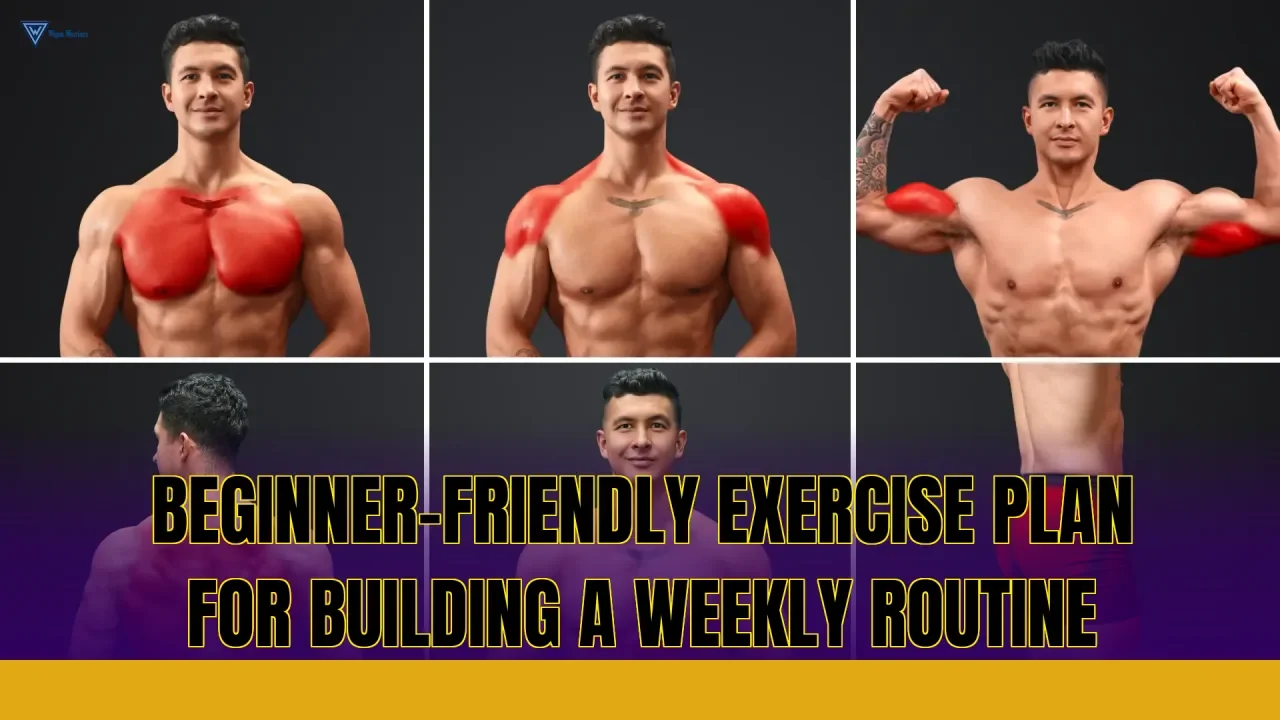
Once you know your goals and limits, the next step in how to start exercising is to structure your week. A simple plan removes decision fatigue and helps you show up even when motivation dips. The schedule below combines aerobic work, strength training, and recovery so your body adapts safely. You can adjust the days to fit work and family commitments without losing the overall balance.
| Day | Session type | Duration / intensity | Notes for beginners |
|---|---|---|---|
| Monday | Brisk walk or light cycle | 20–25 minutes, easy pace | You should be able to talk in full sentences |
| Tuesday | Bodyweight strength | 15–20 minutes | Focus on form: squats, wall push‑ups, glute bridges |
| Wednesday | Rest or gentle mobility | 10–15 minutes | Light stretching, easy walking, or yoga |
| Thursday | Cardio intervals | 20 minutes | 1 minute faster, 2 minutes easy, repeat 5–6 times |
| Friday | Strength and core | 20 minutes | Include planks, hip hinges, and rowing motions |
| Saturday | Active fun | 30–40 minutes | Play sport, hike, or join a community session |
| Sunday | Rest and recovery | — | Prioritise sleep, hydration, and light movement |
Balance cardio, strength, and mobility work
A well‑rounded approach to how to start exercising includes three pillars: cardiovascular training for heart and lung health, resistance work to protect muscles and bones, and mobility to keep joints moving freely. For beginners, two cardio and two strength sessions per week are enough to improve fitness. Add 5–10 minutes of stretching after each workout to reduce stiffness and support recovery.
Start low, progress slow, and track your workload
Begin at an intensity that feels easier than you expect; this is a proven way to stay consistent. Increase only one variable at a time: either add 5 minutes, a small amount of resistance, or one extra set. This “start low, go slow” method, used by professional setups like Wigan Warriors, lowers injury risk while still delivering progress. Keep a simple log of sessions, distance, or repetitions so you can see objective improvements.
Use simple tools and environments that remove friction
You do not need expensive equipment to figure out how to start exercising effectively. A supportive pair of trainers, a water bottle, and a resistance band can cover most beginner needs. Choose environments that feel safe and convenient, such as local parks, living‑room workouts, or community centres. Lay out your kit the night before to reduce excuses and make movement the default choice.
How to start exercising and stay motivated for the long term
Motivation will rise and fall, so understanding how to start exercising is only half the journey; the other half is staying consistent when life gets busy. Behavioural science shows that environment, accountability, and quick wins matter more than raw discipline. By building support around your new habit, you turn exercise into a non‑negotiable part of your routine, just like brushing your teeth.

Build accountability with community and routine
Training with others increases adherence by up to 21% in large cohort studies. Join a walking group, sign up for beginner classes, or follow online sessions from trusted organisations such as Wigan Warriors. Schedule workouts in your calendar and treat them like appointments you cannot miss. Tell friends or family about your plan so they can support your efforts and celebrate your milestones.
Use small milestones and rewards to reinforce progress
Break big goals into milestones such as completing four weeks without skipping more than one planned session. Each time you hit a target, reward yourself with something that supports your lifestyle, like a new training top or a match ticket to watch Wigan Warriors. This links positive emotion to the habit and strengthens your identity as an active person. Over time, the feeling of increased energy becomes its own reward.
Manage setbacks and listen to your body intelligently
Illness, work stress, or family duties will occasionally disrupt your plan, but that does not mean you are starting from zero. When you miss sessions, resume with 70–80% of your previous volume for a week to avoid overload. Learn the difference between normal training fatigue and pain that signals an issue. If in doubt, seek guidance from a physiotherapist, coach, or credible resources provided by Wigan Warriors and other professional organisations.
Conclusion
Understanding how to start exercising is about more than choosing a workout; it is about building a realistic, enjoyable routine that fits your life and supports long‑term health. Start with medical clarity, simple goals, and activities you like, then layer in structure, progression, and accountability. With consistent small steps, you will move, feel, and live better every week, and resources from Wigan Warriors are here to support your active lifestyle journey.
how to warm up before exercise safely and effectively