
How long should a workout be is one of the most common questions people ask when they commit to a more active lifestyle with Wigan Warriors. The right session length depends on your goals, fitness level, schedule, and recovery. Instead of chasing a magic number, you need a flexible framework that keeps you consistent, safe, and progressing week after week. This guide breaks down science‑backed ranges so you can train smarter, not just longer.
How long should a workout be for different fitness goals?
Understanding how long should a workout be starts with clarifying your primary objective. Fat loss, muscle gain, performance, and general health all respond to different training volumes and intensities. At Wigan Warriors, coaches design sessions around goal‑specific time blocks, not random durations. Use the guidelines below as a starting template, then adjust based on how your body responds over several weeks.

Time frames for general health and longevity
If your priority is overall health, aim for 30–45 minutes per session, three to five days per week. This range fits the latest physical activity guidelines recommending at least 150 minutes of moderate cardio plus strength work. In this context, how long should a workout be matters less than hitting your weekly total and staying consistent. Short, regular sessions support heart health, mobility, and mental well‑being without overwhelming your schedule.
Duration guidelines for fat loss and body composition
For fat loss, most people do well with 40–60 minute mixed sessions that combine strength training and moderate‑to‑high intensity cardio. A practical structure used by Wigan Warriors performance staff is 25–30 minutes of resistance work followed by 15–20 minutes of interval or steady‑state conditioning. In this case, answering how long should a workout be also means considering your daily activity level, step count, and nutrition, not just gym time.
Workout length for strength, power, and performance
Strength‑focused sessions typically last 45–75 minutes, depending on rest periods and exercise complexity. Athletes often need longer rests between heavy sets, which extends the total session without increasing actual working time. When deciding how long should a workout be for performance, quality of each set is more important than squeezing in extra exercises. Stop the session if your technique or bar speed drops sharply, even if you have time left.
| Goal | Typical session length | Weekly frequency |
|---|---|---|
| General health | 30–45 minutes | 3–5 sessions |
| Fat loss | 40–60 minutes | 4–6 sessions |
| Muscle gain | 45–75 minutes | 3–5 sessions |
| Sports performance | 60–90 minutes | 3–6 sessions |
How long should a workout be based on intensity and experience?
The more intense your training, the shorter your session usually needs to be. Newer exercisers also tolerate less volume than seasoned athletes. At Wigan Warriors, coaches adjust training blocks so beginners build capacity safely while advanced players handle higher loads. Thinking about how long should a workout be without considering intensity can lead to burnout or undertraining.
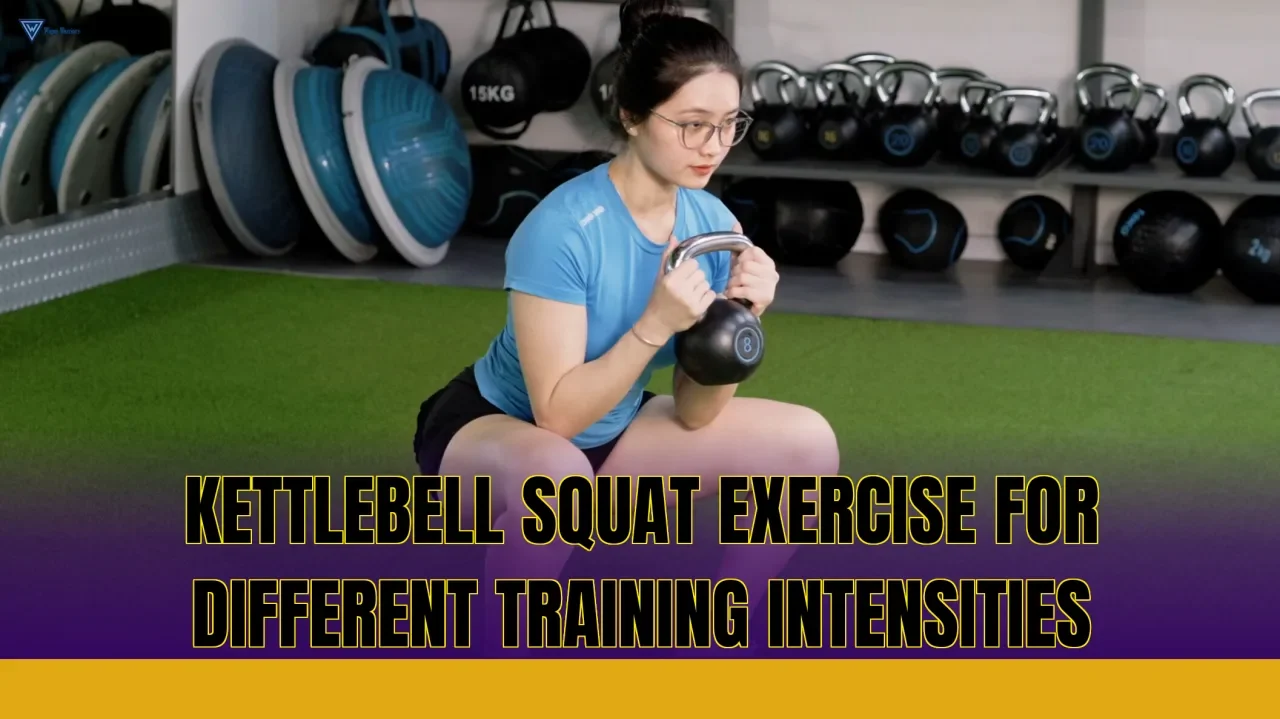
Beginners: building foundations without overdoing it
For beginners, 20–35 minutes of structured exercise is often enough during the first 4–6 weeks. Your body is adapting to new stress, so shorter sessions with full‑body movements work best. In this phase, how long should a workout be is less critical than learning correct technique, controlling your breathing, and finishing each session feeling challenged but not exhausted.
Intermediate and advanced trainees: managing training load
Once you have a solid base, 45–70 minute sessions allow you to include warm‑up, focused work sets, and a brief cool‑down. Many intermediate athletes at Wigan Warriors thrive on four to five sessions per week in this range. Here, how long should a workout be depends on your split: full‑body days may be slightly longer, while targeted upper or lower body days can be more compact yet intense.
High‑intensity sessions and sport‑specific conditioning
High‑intensity interval training (HIIT) and match‑specific conditioning should stay relatively short, often 20–30 minutes of hard work after a thorough warm‑up. Because these workouts push heart rate and neuromuscular systems, extending them too long increases injury risk. When planning how long should a workout be for HIIT, focus on how quickly you recover between efforts and how you feel 24 hours later.
How long should a workout be for sustainable progress?
Beyond goals and intensity, sustainability is the factor that keeps you training month after month. A perfectly designed 75‑minute plan is useless if you cannot stick to it. The most effective answer to how long should a workout be is often “as long as you can perform well and repeat consistently.” That is why Wigan Warriors promotes flexible session templates that fit real‑world schedules.

Balancing warm‑up, main sets, and recovery
A balanced session usually includes 5–10 minutes of warm‑up, 25–50 minutes of focused work, and 5–10 minutes of cool‑down or mobility. When you ask how long should a workout be, make sure you are not cutting preparation or recovery just to hit a target duration. Skipping these bookends may save time today but often leads to stiffness, poor performance, and injuries later.
Signs your workouts are too long or too short
If you are constantly exhausted, sore for several days, or seeing performance drop, your sessions may be too long for your current capacity. On the other hand, if you finish with plenty of energy and no progress after several weeks, they might be too short or too easy. Tracking sleep, mood, and strength helps you refine how long should a workout be for your body rather than following a generic template.
Fitting effective training into a busy schedule
When time is tight, prioritize compound exercises and keep sessions to 25–40 minutes with minimal distractions. Two or three efficient workouts can still deliver measurable gains if you train with focus. In a busy week, redefining how long should a workout be as “what I can do today with intent” keeps you moving forward instead of skipping training entirely.
Conclusion
Ultimately, how long should a workout be depends on your goals, fitness level, intensity, and lifestyle. Most active adults progress well with 30–60 minute sessions, adjusted up or down as recovery and results dictate. Treat these numbers as flexible guidelines, listen to your body, and refine your plan every few weeks. For more structured support and evidence‑based training resources, explore the full range of active lifestyle content from Wigan Warriors.