
How to warm up before exercise is one of the most common questions athletes ask the performance team at Wigan Warriors. A structured warm-up is no longer optional if you want to train harder, stay injury-free, and progress consistently. Modern sports science shows that just 10–15 focused minutes can transform how your body moves, reacts, and recovers. This guide breaks down a practical, game-ready approach you can apply to any workout.
Why understanding how to warm up before exercise really matters
Many people still jog for two minutes and stretch randomly, then wonder why their knees hurt or their hamstrings feel tight. Learning how to warm up before exercise correctly prepares your muscles, joints, and nervous system for the specific stress ahead. At Wigan Warriors, every training session starts with a clear warm-up structure to reduce soft-tissue injuries and improve speed, power, and decision-making on the field.

The science behind an effective warm-up
A proper warm-up gradually increases body temperature, heart rate, and blood flow to working muscles. This improves oxygen delivery, joint lubrication, and the speed of nerve signals that control movement. When you understand how to warm up before exercise from a physiological perspective, you realise it is about activating the right tissues, not just “breaking a sweat”. Research from 2023–2025 consistently links structured warm-ups with fewer strains and better performance in both elite and recreational athletes.
Key benefits you will feel in every workout
Once you apply a consistent approach, you will notice smoother movement patterns and more control during heavy or explosive efforts. A targeted routine can improve range of motion without the performance drop sometimes seen with long static stretching. Athletes at Wigan Warriors report better acceleration, quicker changes of direction, and greater confidence in contact after a high-quality warm-up. Over time, this reduces missed sessions due to minor tweaks and tightness.
Common warm-up mistakes to avoid
People often skip their warm-up entirely or rush through a few token stretches that do not match the session ahead. Another mistake is holding deep static stretches for 30–60 seconds before sprinting or lifting heavy, which can temporarily reduce power output. Instead, focus your energy on dynamic movements that mimic your sport or workout. Knowing how to warm up before exercise also means recognising when you are doing too much and draining energy before the main session starts.
Step-by-step plan: how to warm up before exercise safely
To make this practical, you need a simple structure you can follow in the gym, on the pitch, or at home. The performance staff at Wigan Warriors typically organise every warm-up into four phases: pulse raiser, mobility, activation, and rehearsal. This framework works whether you are lifting weights, running intervals, or playing a full-contact sport. Use the outline below as a base and adjust the intensity to match your fitness level.

Phase 1: Pulse raiser (3–5 minutes)
Start with light, rhythmic movement to gradually increase heart rate and breathing. You can choose brisk walking, easy jogging, cycling, or skipping, depending on your space and equipment. The goal is to feel warmer and slightly out of breath, not exhausted. When you apply how to warm up before exercise in real life, this first phase sets the tone and prepares your cardiovascular system for harder work.
Phase 2: Dynamic mobility for major joints
Next, move each major joint through a comfortable, controlled range of motion. Leg swings, hip circles, walking lunges, arm circles, and thoracic rotations are all excellent options. Keep the movements smooth, without bouncing or forcing end-range positions. This approach to how to warm up before exercise helps reduce stiffness, especially if you have been sitting at a desk or driving before training.
Phase 3: Muscle activation and stability
Now you prime key muscle groups that support posture and movement quality. Glute bridges, mini-band walks, plank variations, and scapular push-ups are popular choices with the Wigan Warriors conditioning team. Focus on feeling the right muscles working, rather than chasing fatigue. When you think about how to warm up before exercise, this is the stage where you “switch on” the engine that protects your joints under load.
Phase 4: Rehearsal of specific movements
The final step is to perform lighter, controlled versions of the main actions in your workout. That might mean bodyweight squats before barbell squats, short build-up sprints before maximal efforts, or low-intensity passing drills before a match. This is where how to warm up before exercise becomes highly individual, because you tailor speed, direction, and complexity to your sport. Finish this phase feeling ready and sharp, not tired.
| Warm-up phase | Duration | Example exercises | Main objective |
|---|---|---|---|
| Pulse raiser | 3–5 minutes | Easy jog, brisk walk, light cycle | Increase heart rate and body temperature |
| Dynamic mobility | 4–6 minutes | Leg swings, lunges, arm circles | Loosen joints and improve range of motion |
| Activation | 4–6 minutes | Glute bridges, band walks, planks | Engage stabilising muscles |
| Rehearsal | 3–5 minutes | Bodyweight squats, build-up sprints | Groove sport- or workout-specific patterns |
How to warm up before exercise for different training goals
While the four-phase structure stays the same, the details change depending on your session. Strength training, endurance work, and high-intensity team sports place different demands on your body. Tailoring how to warm up before exercise ensures you are not wasting time on drills that do not transfer to your goals. Below are practical adjustments you can apply immediately, based on the type of workout you are planning.
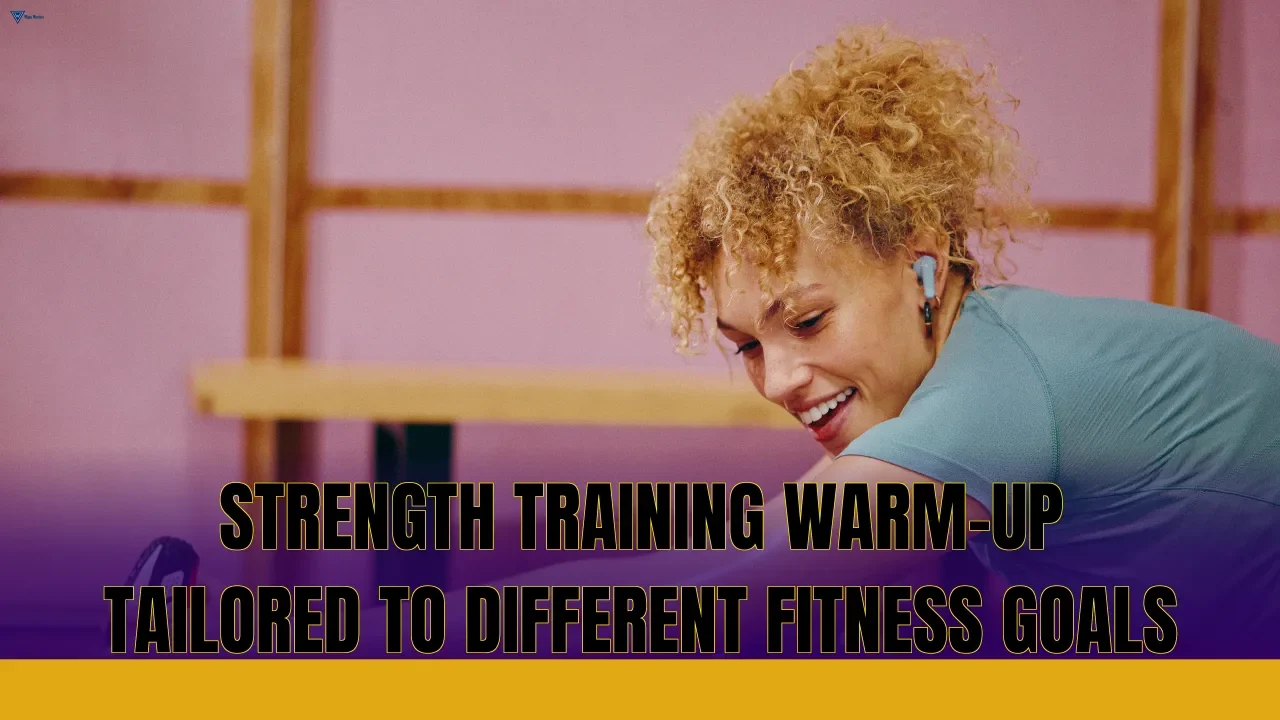
Strength and resistance training sessions
When lifting, focus your warm-up on the joints and muscles involved in your main compound movements. After the general phases, add 2–3 ramp-up sets of your first exercise, increasing load gradually while keeping reps low. This version of how to warm up before exercise helps your nervous system adapt to heavier weights without sudden shocks. Many lifters find their technique feels more stable and their working sets more productive.
Running, cardio, and conditioning days
For steady-state runs, tempo intervals, or HIIT, emphasise ankle, hip, and trunk mobility, along with progressive accelerations. Include drills such as high knees, butt kicks, A-skips, and short strides at 60–80% effort. This style of how to warm up before exercise prepares your tendons and lower limbs for repetitive impact. Athletes who adopt this approach often report fewer shin splints and calf strains over time.
Team sports and high-intensity games
Sports like rugby, football, and basketball demand rapid direction changes, contact readiness, and mental sharpness. Warm-ups here should finish with reactive drills, such as partner mirroring, colour or number calls, or small-sided games. The coaching staff at Wigan Warriors use these elements to connect physical readiness with decision-making under pressure. Applying how to warm up before exercise in this way helps bridge the gap between training and real match intensity.
Conclusion
Understanding how to warm up before exercise is only valuable if you apply it consistently before every session, not just on “big days”. Treat your warm-up as the first, essential block of training that protects your body and unlocks better performance. With the structured approach used by Wigan Warriors, you can train harder, recover faster, and stay active for longer, whatever your sport or fitness level. Visit Wigan Warriors to explore more evidence-based resources for an active lifestyle.